Foam Fire Extinguishing System
Foam Fire Extinguishing System
Maximum Protection for High-Risk Areas
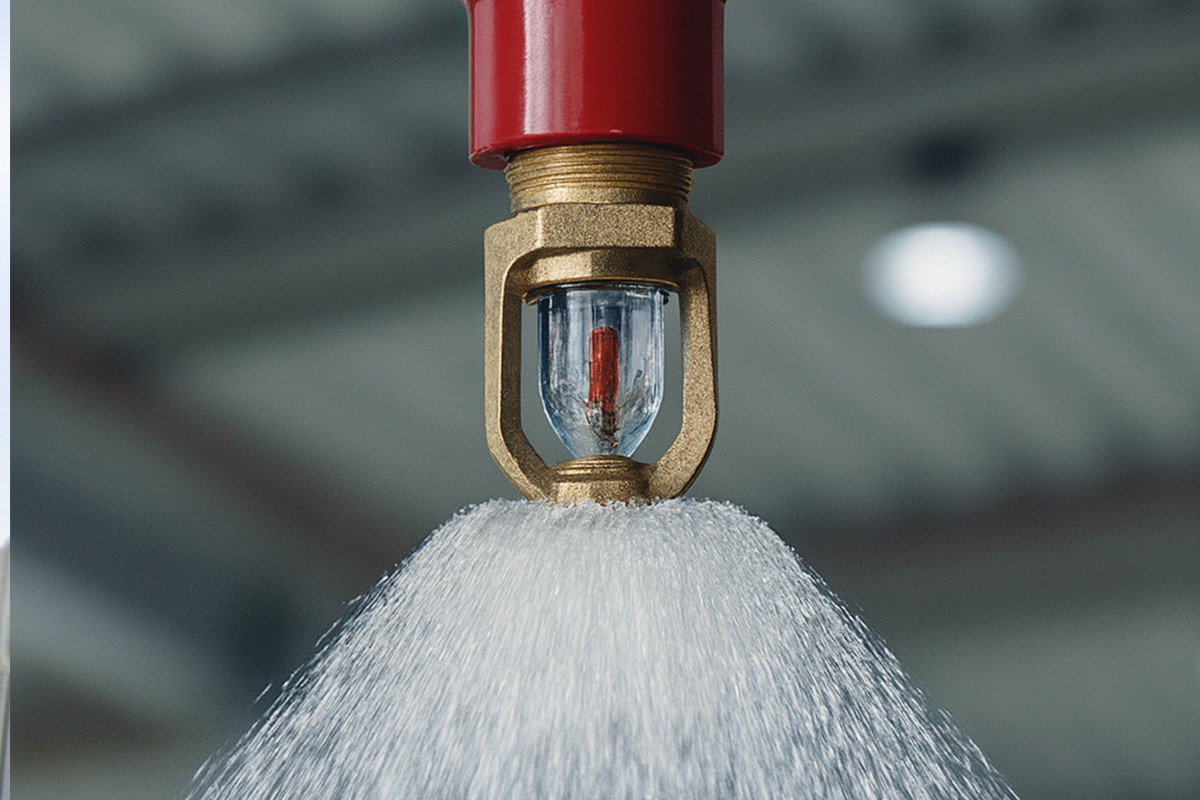
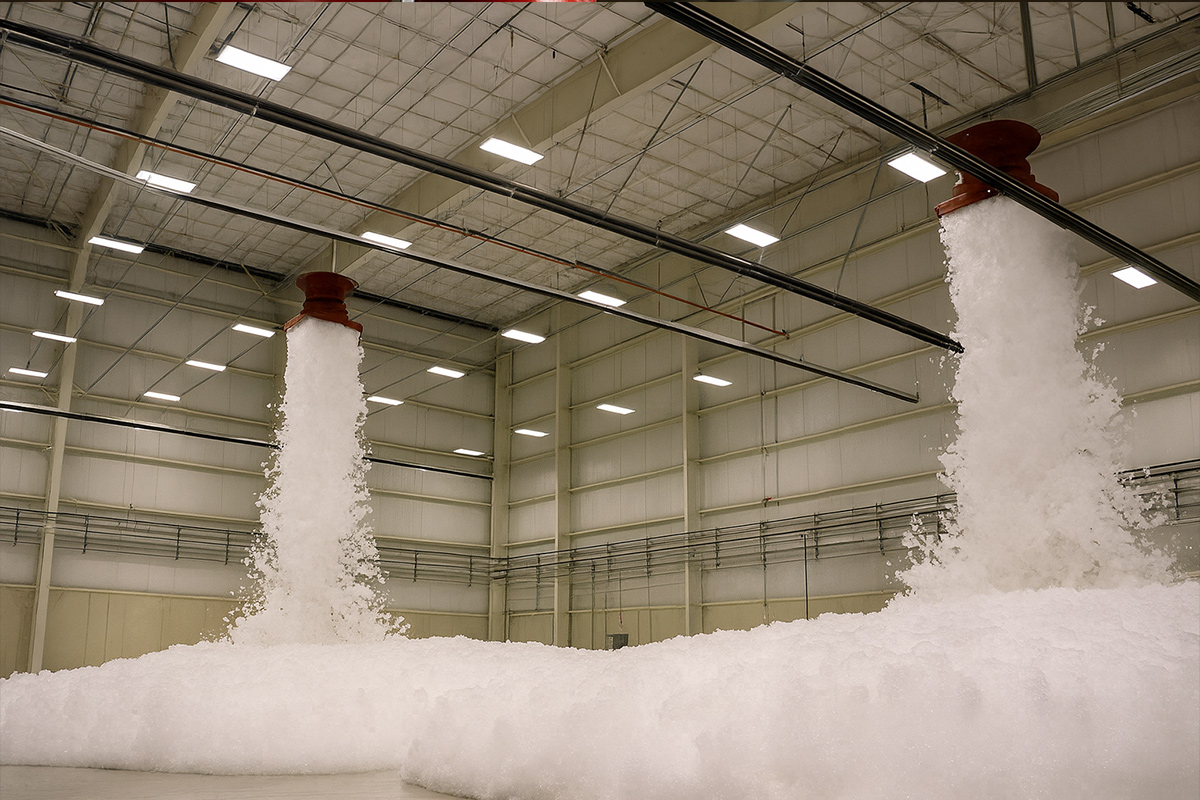
Foam fire extinguishing systems provide an effective solution for fires caused by flammable and combustible liquids. By mixing water with foam concentrate and discharging it onto the fire area, the system creates a blanket that isolates oxygen, suppresses flames, and prevents the fire from spreading.
It is commonly used in industrial plants, storage facilities, ports, refineries, and aircraft hangars where the risk of liquid fires is high.
System Components and Application Types
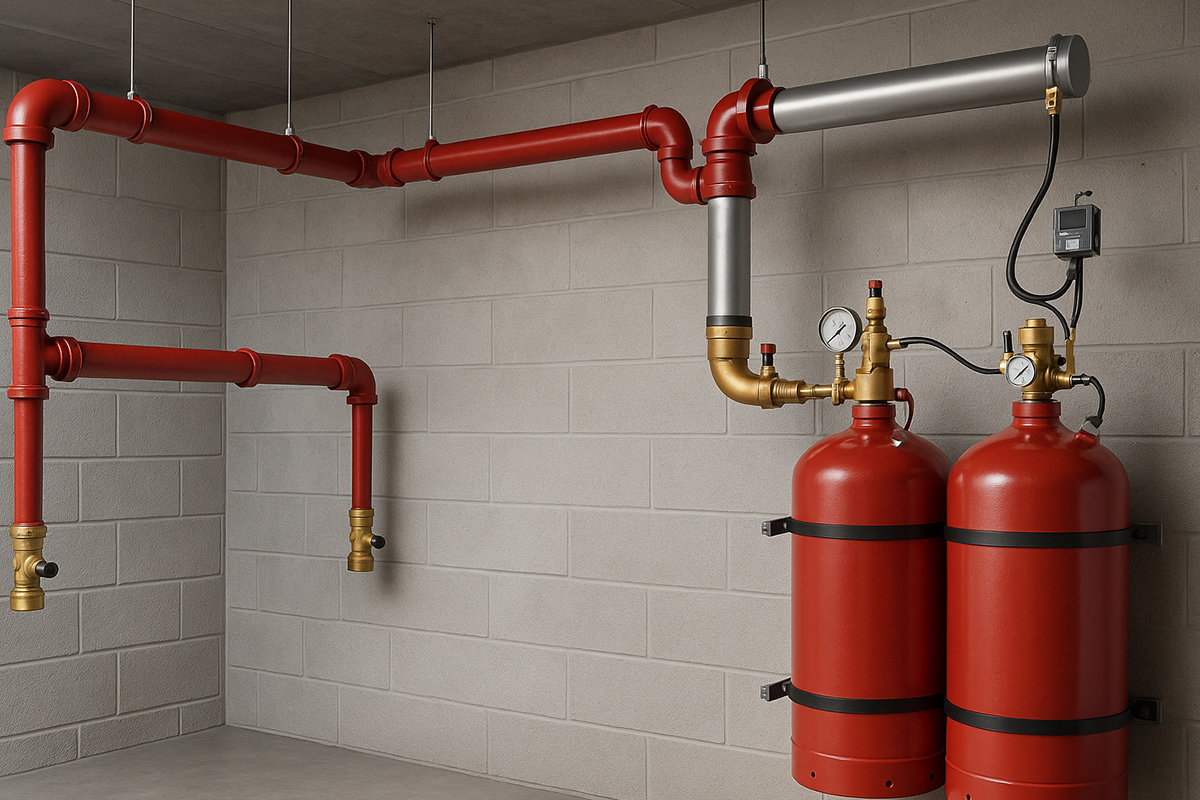
Foam fire suppression systems include nozzles, foam chambers, foam makers, and foam monitors. Depending on the environment, three main system configurations are used:
-
Wet Pipe System: Contains pressurized water in the piping network.
-
Pre-Action System: Activates after fire detection for controlled foam discharge.
-
Deluge System: Designed for large areas; all nozzles operate simultaneously.
All systems must be designed and installed in compliance with TS EN 13565, NFPA 11, and NFPA 16 standards.
Operating Principle
Water is mixed with foam concentrate through a proportioner to create a foam solution. This mixture is discharged under high pressure through nozzles or monitors to the fire zone, where it cools the surface and cuts off oxygen contact.
The correct type of foam concentrate is crucial for system performance. For example, alcohol-resistant foam (AR) should be used for fires involving polar solvents.
System Types
-
Bladder Tank Systems: Use a pressurized diaphragm to mix water and foam.
-
Atmospheric Tank Systems: Foam is stored in an atmospheric tank and pumped to the fire area.
Foam Expansion Ratios
-
Low Expansion: Up to 20:1
-
Medium Expansion: 20:1 to 200:1
-
High Expansion: Over 200:1
Foam Concentrate Types
-
AR (Alcohol-Resistant): For polar solvent fires.
-
AFFF (Aqueous Film Forming Foam): Prevents evaporation and oxygen exposure.
-
FFFP (Film Forming Fluoroprotein): Resistant to corrosion and freezing.
-
Protein-Based: Natural formulation, ideal for hydrocarbon fires.
-
Synthetic-Based: Suitable for portable, direct applications.
Application Areas
-
Fuel and chemical storage facilities
-
Paint production plants
-
Hangars and aircraft testing zones
-
LNG terminals, ports, and shipyards
-
Industrial manufacturing and filling areas
Why Choose a Foam System?
Foam systems prevent vapor formation, cool surfaces, and stop flame propagation, providing superior performance in liquid fire scenarios. Correct selection of foam concentrate and discharge equipment ensures optimal efficiency.
Maintenance and Periodic Testing
Regular inspection and testing in line with European and American fire protection standards ensure system reliability and operational readiness.
At MYMEC GROUP, we design, install, and maintain custom-engineered foam suppression systems that deliver reliable performance and maximum safety.