CO2 Gas Fire Suppression System
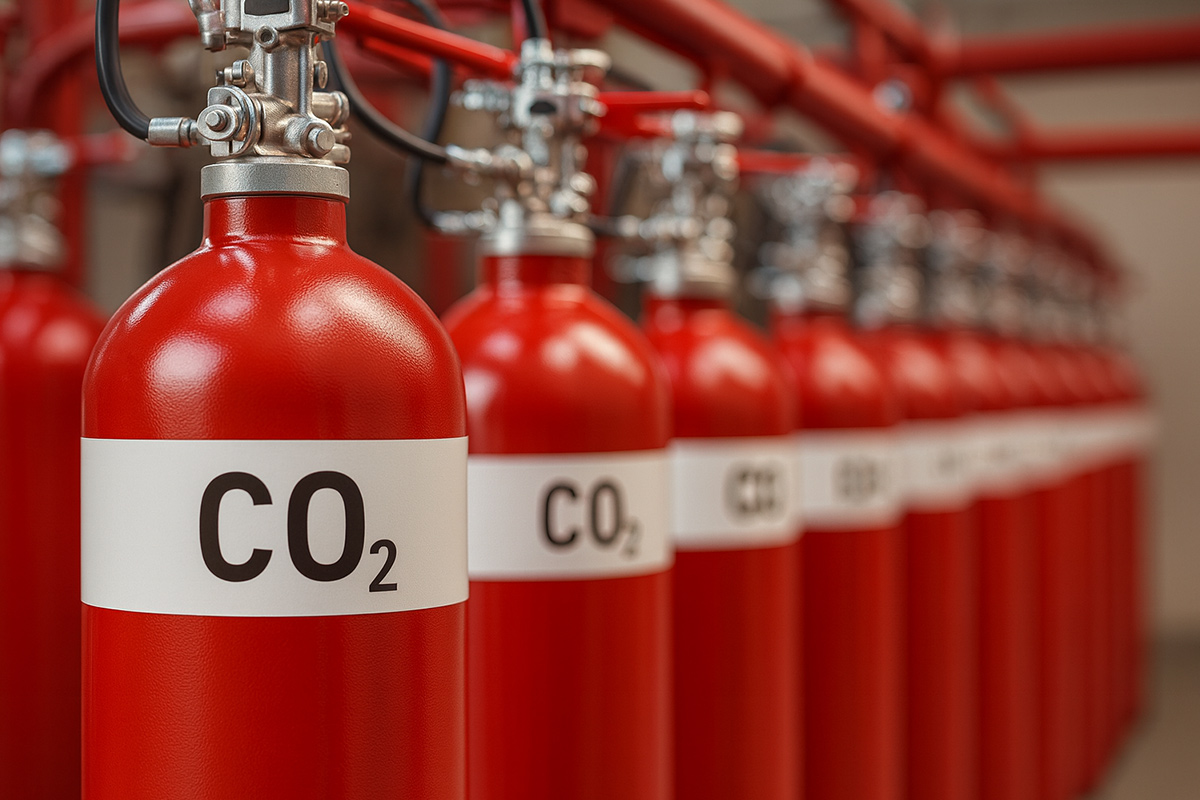
CO2 Gas Fire Suppression System
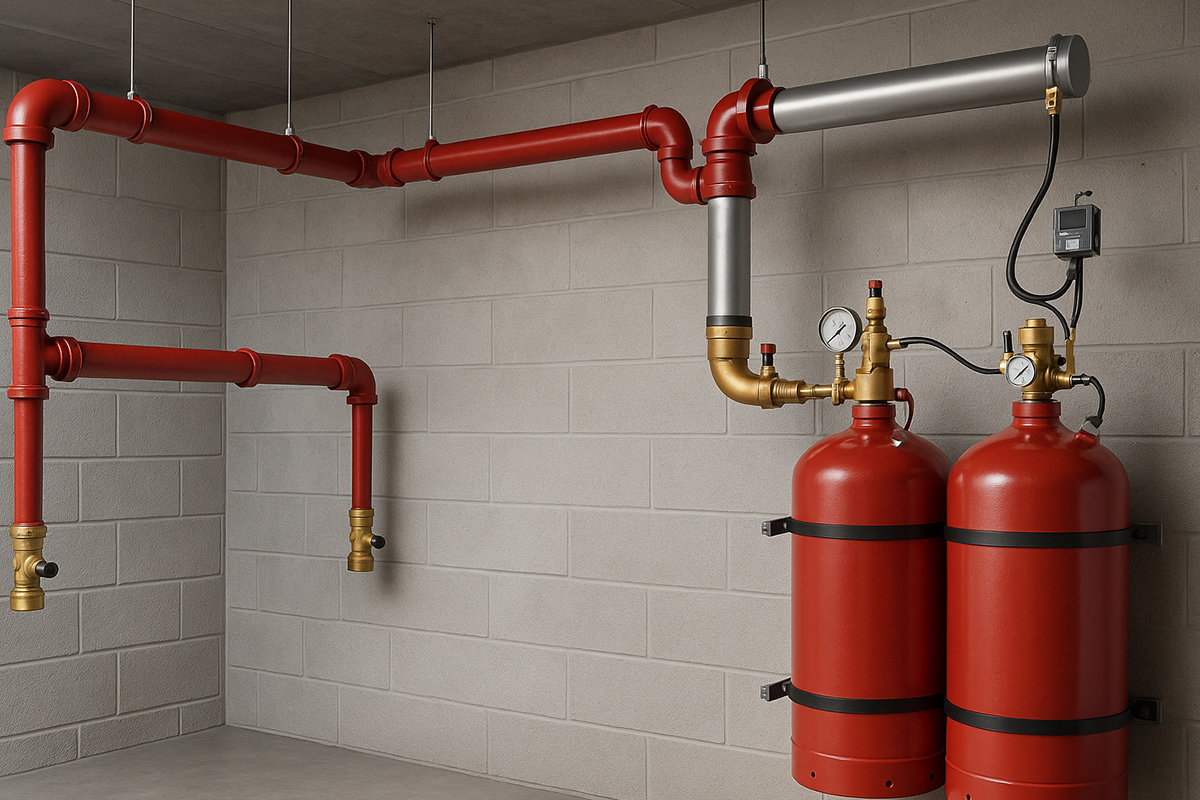
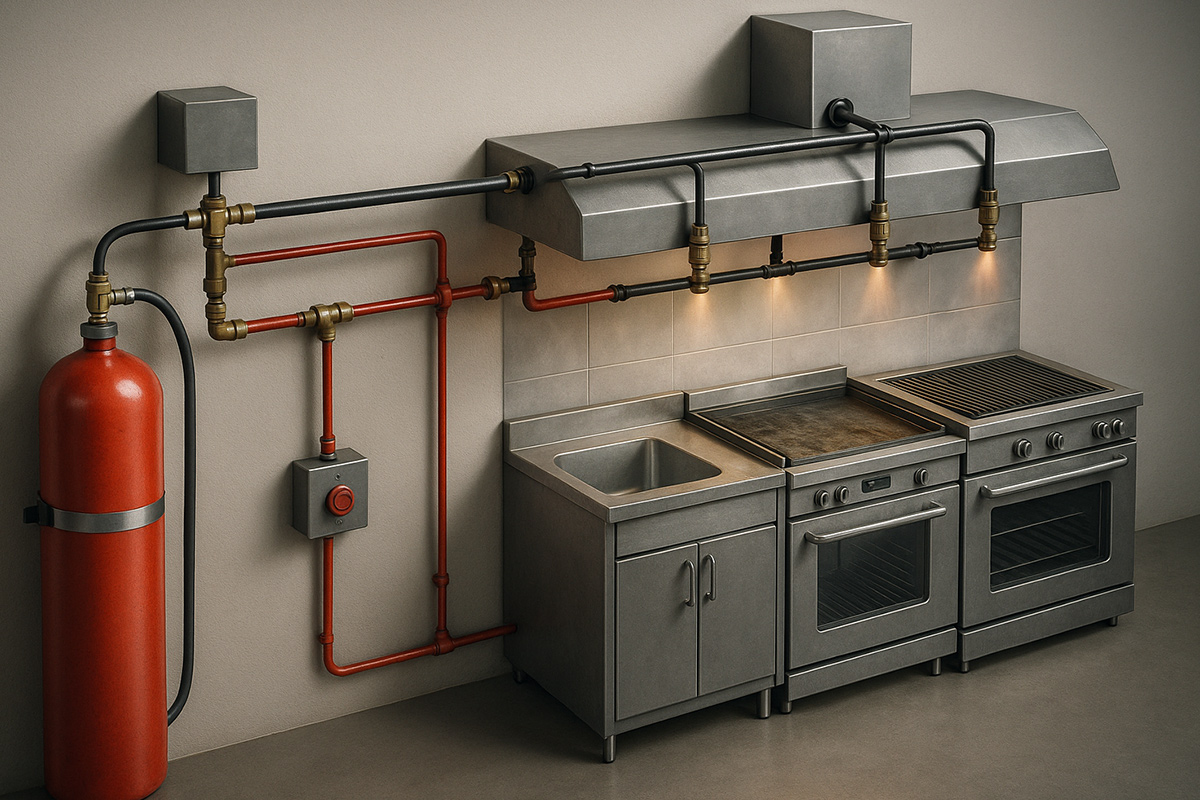
The CO₂ Gas Fire Suppression System provides both total flooding and local protection through a fixed nozzle network.
It must be designed and implemented in accordance with NFPA 12, and all stages — design, installation, testing, maintenance, and modifications — must be handled by qualified fire protection specialists.
CO₂ is a colorless, odorless, and residue-free natural gas that extinguishes fires through both cooling and oxygen displacement.
By reducing the oxygen concentration from about 21% to 15%, it effectively suppresses combustion.
Safety and Operating Conditions
CO₂ systems are intended for use in unoccupied or rarely occupied spaces.
Because inhalation at suppression concentrations can be dangerous, audible and visual pre-discharge alarms are mandatory.
Being a natural gas, CO₂ has no ozone depletion potential (ODP = 0) and no atmospheric persistence.
Applications
CO₂ systems are widely used in areas involving electrical or flammable hazards:
-
Generator, transformer, and switch rooms
-
Electrical cabinets and breaker panels
-
High & Medium voltage rooms
-
Communication and control centers
-
Test laboratories
-
Data and record storage rooms
-
Printing and packaging machines
-
Flammable liquid storage areas
-
Industrial production lines
-
Compressor and machinery rooms
The system provides both total flooding in enclosed spaces and local application in open or semi-open environments.
System Design
According to NFPA 12, each fire hazard type requires a specific minimum design concentration.
The CO₂ quantity is determined based on these parameters using hydraulic calculation software.
Unlike most gas systems, CO₂ protection does not always require a fully sealed room — localized protection can still be achieved effectively.
Installation & Testing
-
Piping and fittings must comply with appropriate pressure ratings (e.g., SCH40–80 seamless steel pipes, 3000 lb forged fittings).
-
The system must undergo nitrogen leak and pressure testing.
-
Open ducts or vents should be equipped with automatic dampers to contain gas.
-
The discharge should maintain CO₂ presence for at least 10 minutes to prevent re-ignition.
-
Door Fan Room Integrity Testing should be performed to verify hold time.
-
All installation and maintenance must be carried out by certified professionals.
Advantages
-
Rapid fire suppression via cooling and oxygen reduction
-
Non-conductive, safe for electrical applications
-
Residue-free, no cleanup required
-
Suitable for both local and total flooding systems
-
Environmentally safe, with zero ozone impact
Engineered by MYMEC GROUP
At MYMEC GROUP, we design and implement CO₂ fire suppression systems fully compliant with NFPA 12 standards.
Our engineering process includes hazard assessment, flow calculation, integrity testing, and commissioning to ensure maximum reliability.
We provide fast, efficient, and long-lasting fire protection solutions for industrial and high-risk environments.
Other Gas Suppression Systems
-
FM200 Gas Fire Suppression System
-
Novec1230 Gas Fire Suppression System
-
Inergen (Inert Gas) Fire Suppression System