Underfloor Heating System

Underfloor Heating System
Underfloor heating distributes heat evenly through pipes (hydronic) or electric heating elements embedded within the screed. Low-temperature operation (typically 35–45 °C water) delivers uniform comfort and excellent efficiency, especially with heat pumps and solar thermal integration.
Key Benefits
-
Uniform heat distribution: Minimal stratification; stable room-to-room temperatures.
-
Comfortable temperature profile: Warmer at foot level, milder near head level — ideal human comfort.
-
Low operating cost: Low supply temperatures enable high efficiency with heat pumps/condensing boilers; 20–50% energy saving potential versus conventional radiators (with proper design).
-
Architectural freedom: No wall radiators; silent operation.
-
Reduced air movement: Lower dust circulation for added comfort.
Note: It is not a medical device; it simply provides stable thermal comfort with limited air movement.
Components & Operation
-
Circuits: Oxygen-barrier PEX/PE-RT pipes (hydronic) or electric mats/cables.
-
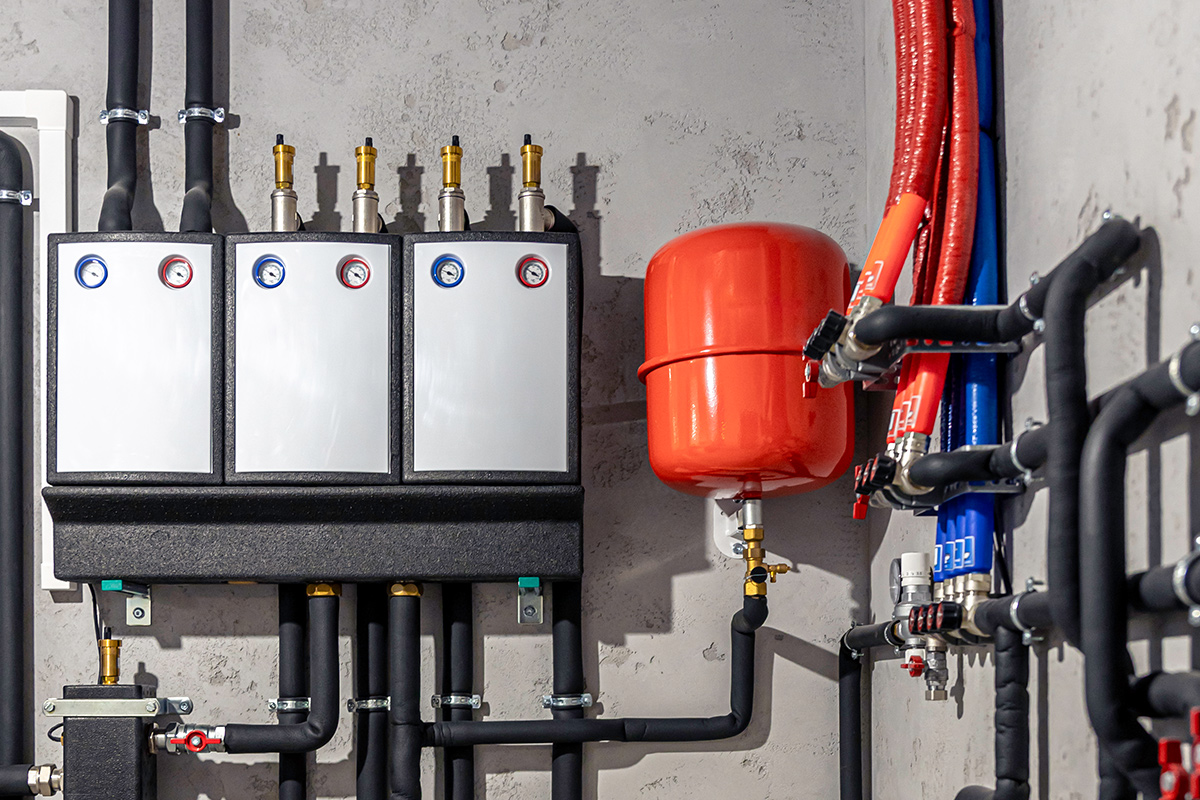
Manifold & zoning: Flow balancing and room-by-room control.
-
Controls: Room thermostats, actuators, smart scheduling.
-
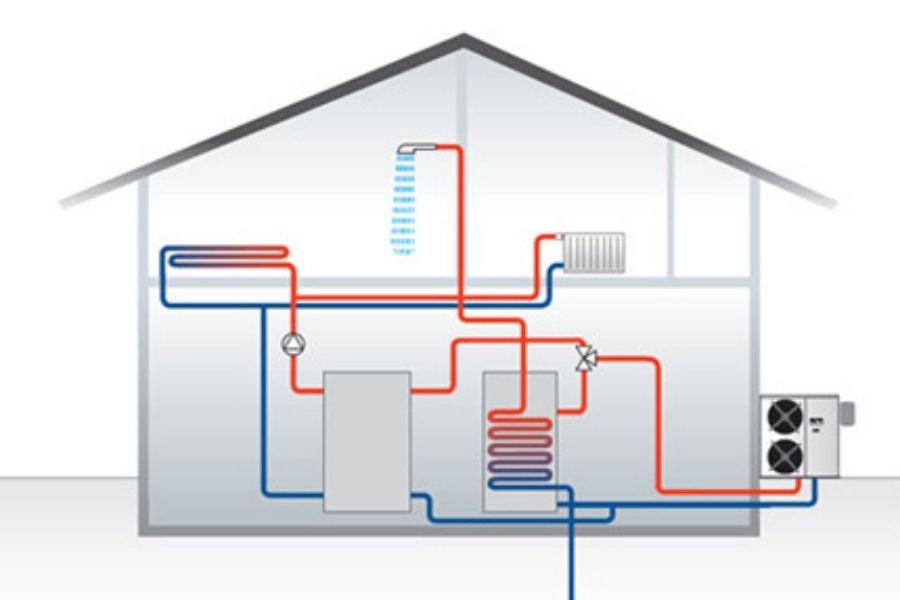
Heat source: Heat pumps, condensing boilers, solar thermal buffer tanks.
-
Insulation & screed: Proper build-up for efficient heat transfer.
System Types
-
Hydronic Underfloor Heating: Best match with low-temperature sources; designed per EN 1264 series.
-
Electric Cable/Mats: Ideal for refurbishments and small areas.
-
Carbon-Film Solutions: Dry applications and selected floor finishes.
Floor Finishes
-
High conductivity surfaces (ceramic, stone, marble) yield the best output.
-
Engineered wood/laminate: Respect manufacturer limits (typically ~27–29 °C surface).
-
Carpets/rugs: May reduce efficiency; choose low R-value products.
Design Principles
-
Room heat loss calculation and target surface temperatures.
-
Pipe spacing & loop lengths to match load and ensure hydraulic balance.
-
Surface temperature limits for comfort and material safety.
-
Hydronic balancing at the manifold.
-
Movement joints & quality screed to prevent cracking and optimize transfer.
Maintenance & Commissioning
-
Hydronic: Inspect every 2–3 years; strainers/filters, corrosion/scale checks; power-flush if needed.
-
Electric: Periodic electrical safety checks and thermostat calibration.
-
Commissioning: Gradual heat-up / screed curing protocol is essential.
Integration & Smart Control
-
Excellent synergy with heat pumps (high COP).
-
Solar thermal support via buffer tanks.
-
Smart thermostats and zoning for optimized energy use.
Bottom Line
Underfloor heating offers high comfort, low energy consumption, and clean aesthetics.
MYMEC GROUP delivers end-to-end services — calculation, design, installation, and commissioning — fully aligned with applicable standards to ensure durable, efficient performance.