Heat Pump System
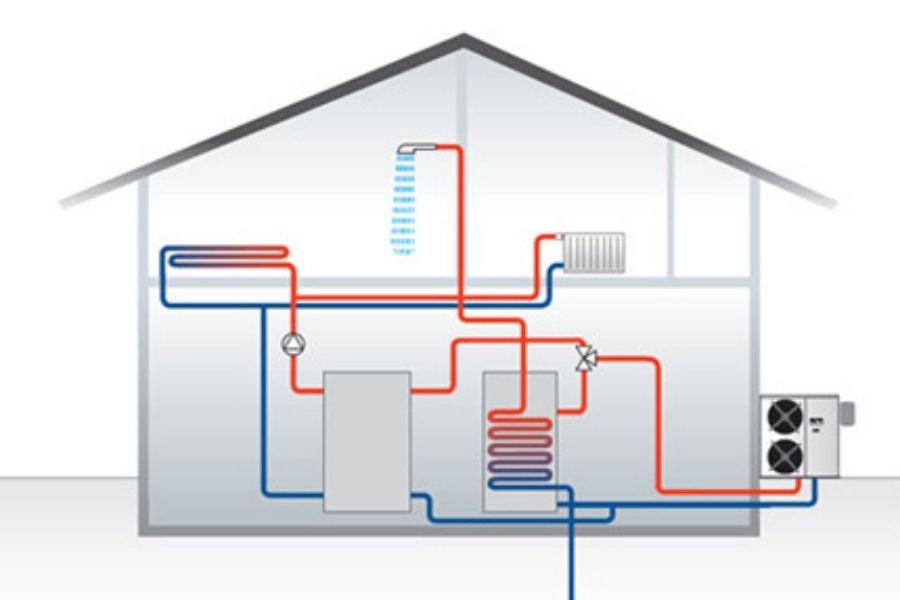
Heat Pump System
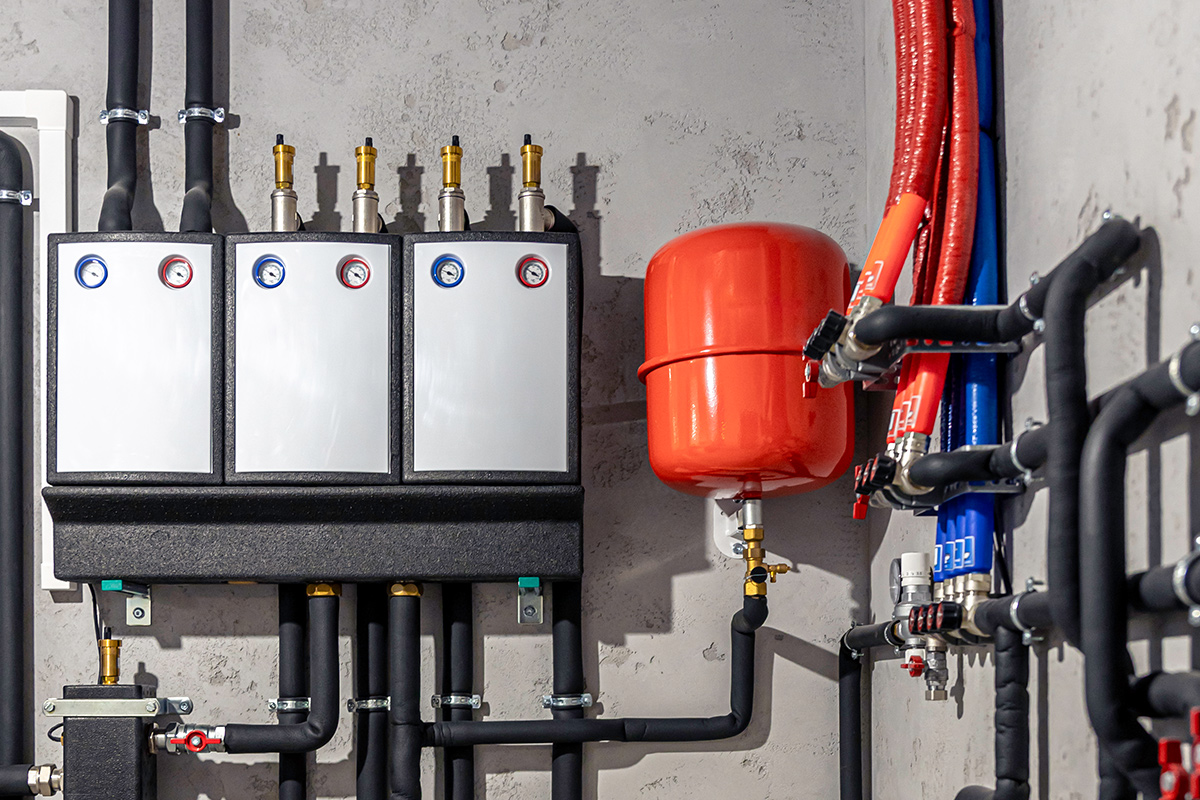
Heat pump systems are high-efficiency technologies that transfer existing heat from one environment to another using minimal electrical energy.
Unlike conventional systems that generate heat, heat pumps move heat, delivering up to four times more energy than they consume.
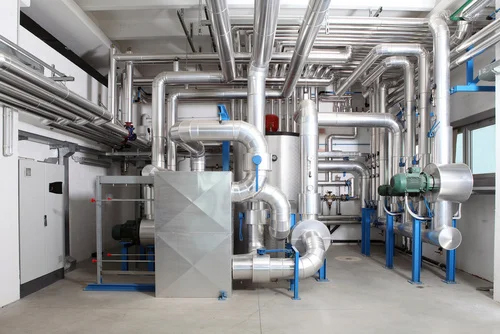
They are ideal for residential, commercial, and industrial buildings, providing heating, cooling, and domestic hot water from a single system.
Working Principle
Heat pumps extract energy from natural sources such as air, water, or ground and transfer it through a closed refrigeration circuit.
A refrigerant absorbs and releases heat as it circulates through the system.
Process cycle:
-
Evaporation: The refrigerant absorbs heat and evaporates.
-
Compression: The compressor raises the pressure and temperature of the vapor.
-
Condensation: The hot gas releases heat to the indoor system and condenses.
-
Expansion: The refrigerant pressure drops, and the cycle restarts.
The same system can reverse the cycle to provide cooling during summer.
Main Components
-
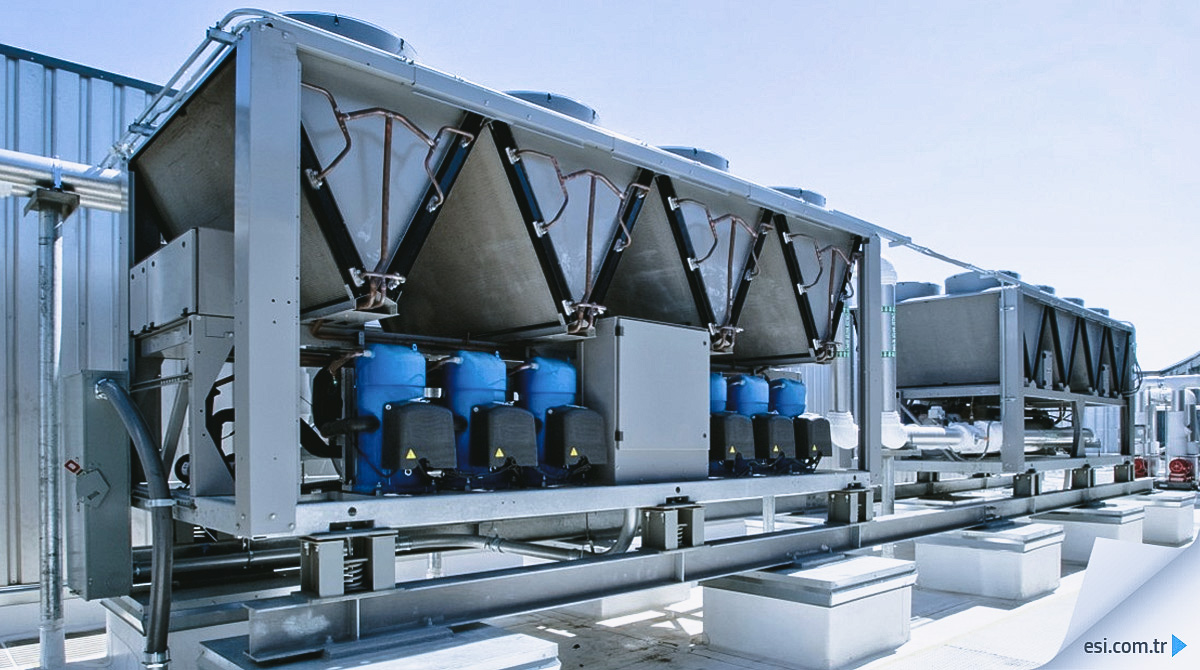
Compressor – Increases refrigerant pressure and temperature
-
Evaporator – Absorbs heat from the source (air, ground, or water)
-
Condenser – Transfers heat to the indoor system
-
Expansion Valve – Reduces pressure and resets the refrigerant for reuse
Types of Heat Pump Systems
Ground Source Heat Pumps
Utilize stable underground temperatures (+10 to +20 °C) for year-round efficiency.
Energy is collected via horizontal loops or vertical boreholes.
High COP, long lifespan, and minimal environmental impact.
Air Source Heat Pumps
The most common and economical type.
Operate effectively between –20 °C and +45 °C.
Installation is simple, making them ideal for both new and retrofit projects.
Inverter control ensures performance stability under varying conditions.
Water Source Heat Pumps
Draw energy from groundwater, lakes, or rivers.
Offer high performance (+8 to +30 °C) when a continuous water source is available.
Require water quality monitoring and compliance with environmental regulations.
Key Advantages
-
High Efficiency: 1 kW electrical input → 3–5 kW thermal output.
-
Eco-Friendly: Reduces CO₂ emissions, no on-site combustion.
-
All-in-One Function: Heating, cooling, and hot water in one system.
-
Low Maintenance: Durable components, long service life.
-
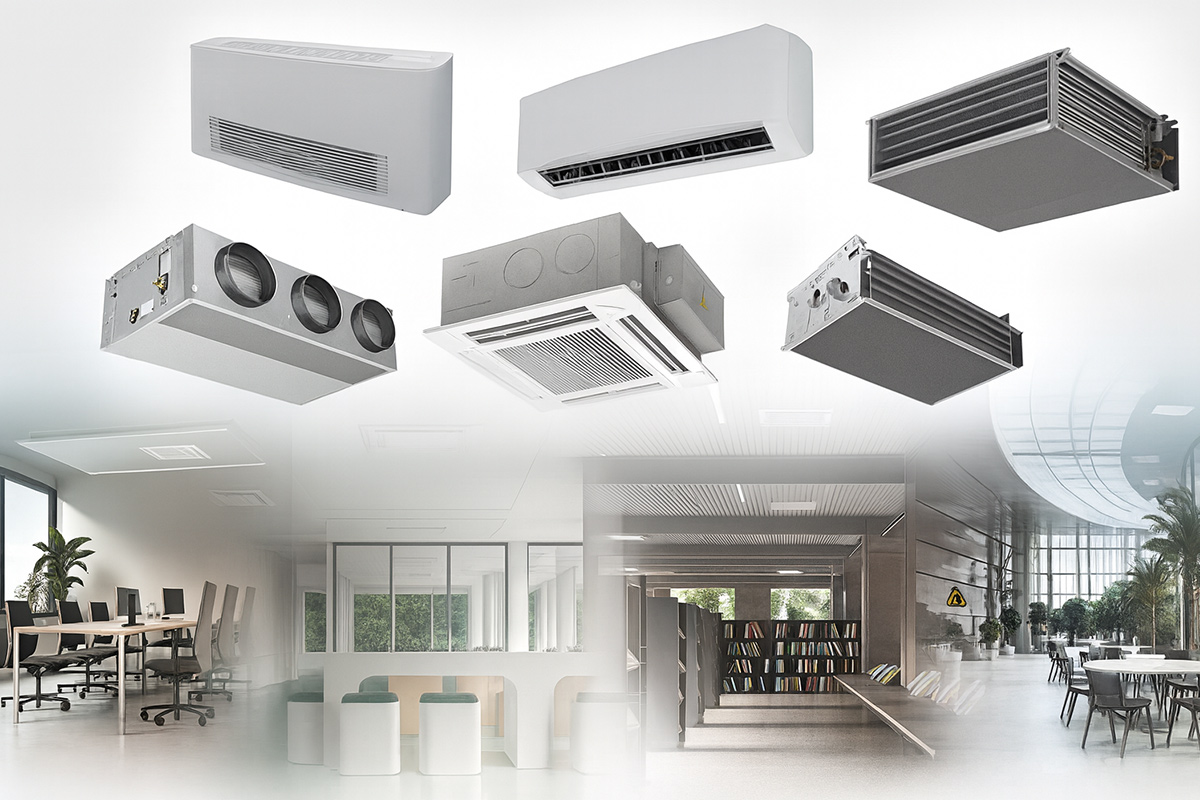
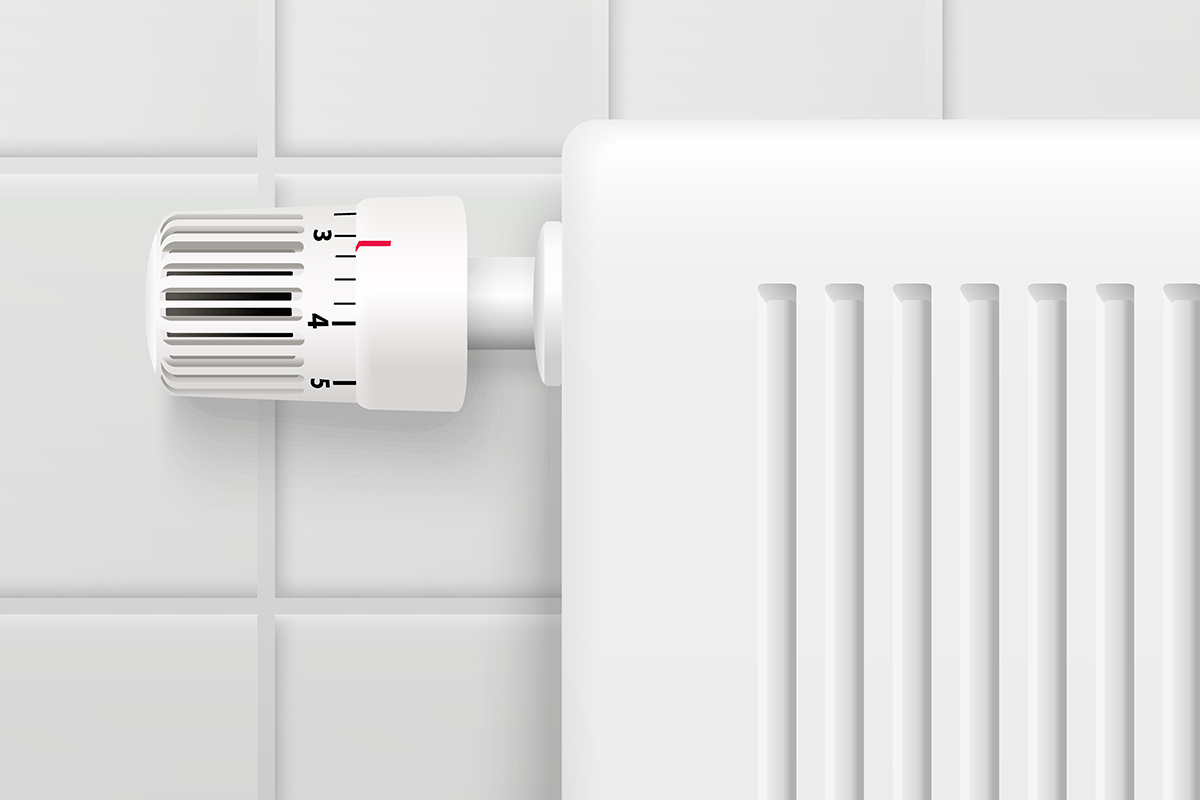
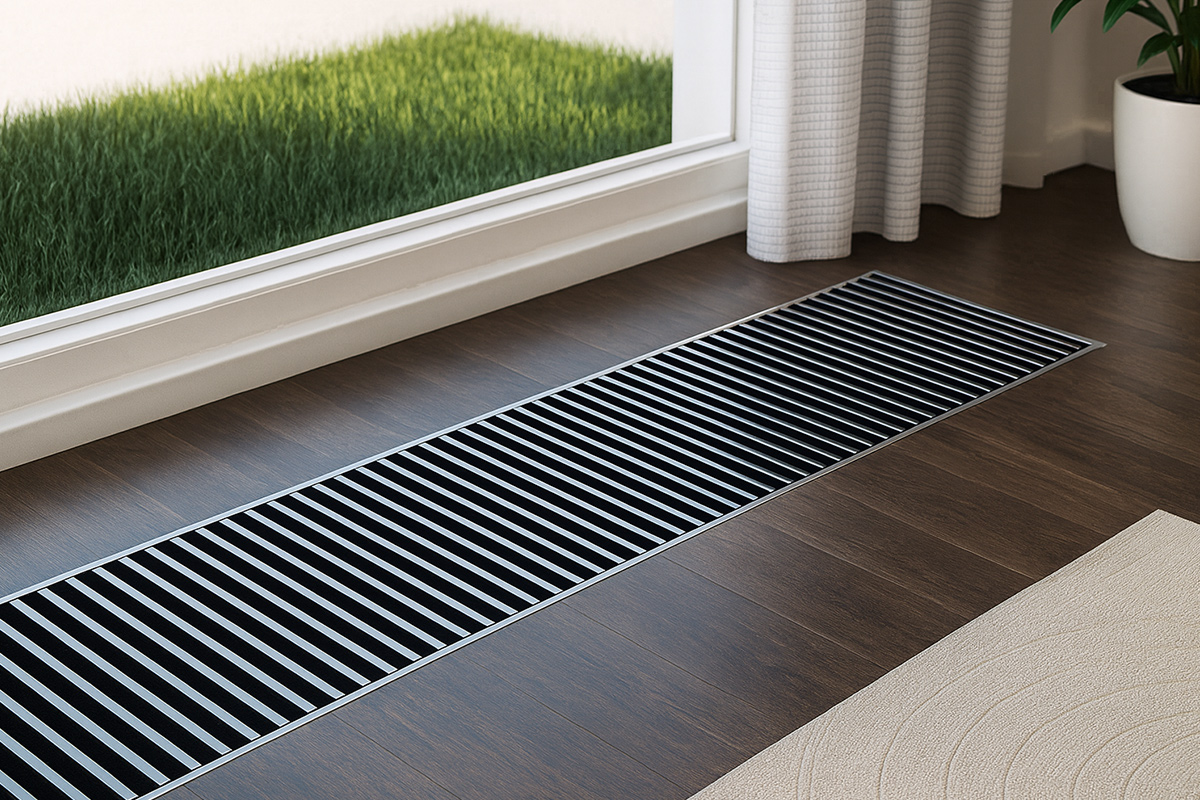
Flexible Integration: Compatible with underfloor heating, fan coils, and radiators.
-
Renewable Ready: Works efficiently with solar energy systems.
Engineered by MYMEC GROUP
MYMEC GROUP designs, installs, and commissions EN 14511 / EN 14825-compliant heat pump systems,
performing energy analysis, load calculation, and integration with existing HVAC infrastructure.
Our mission is to deliver maximum comfort with minimum energy consumption, combining innovation, sustainability, and engineering excellence.